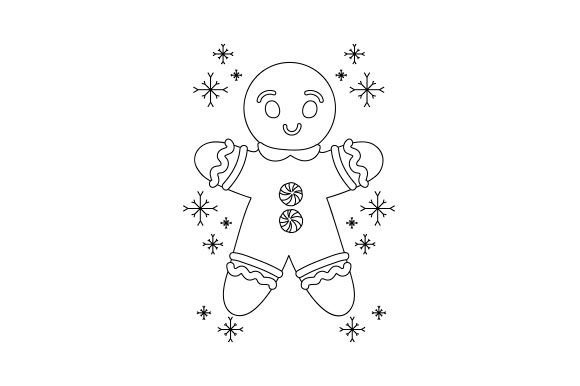
Gingerbread Cookie - Embroidery Pattern
A Playful, Polished Holiday Motif for Boutique Apparel
As an embroidery designer who’s developed collections for small clothing brands and Etsy sellers over the past decade, I opened Gingerbread Cookie - Embroidery Pattern expecting charm—but what stood out immediately was its intentional balance. It’s not overly cutesy or cartoonish; instead, it carries a warm, hand-drawn personality with clean outlines and subtle texture cues that translate beautifully into stitch. The design reads as playful yet premium—ideal for boutique apparel where customers pay more for thoughtful details. It leans classic rather than trendy, which means it won’t feel dated by next December. And because it’s rooted in Christmas but avoids overt religious or commercial clichés, it works across lifestyle branding—from cozy loungewear to gift-ready merchandise.
How It Performs on Real Garments
I tested Gingerbread Cookie - Embroidery Pattern across several garment types common in small-batch production: neutral heather sweatshirts, oatmeal hoodies, charcoal French terry, light-wash denim jackets, and natural canvas tote bags. On soft, brushed fleece, the design held crispness without puckering—especially when paired with medium-weight cutaway stabilizer. On ribbed fabric (like hoodie cuffs or crewneck bands), I placed it slightly higher on the chest to avoid distortion from stretching. For oversized sweatshirts, the motif scaled well at 3.5"–4"—large enough to read clearly but not overwhelming on relaxed silhouettes.
For sleeve accents, I resized it to 2.25" and stitched it just above the elbow on a cream hoodie—subtle, seasonal, and surprisingly effective in lifestyle photos. As a back design on a cropped sweatshirt? It shines at 5.5", especially when centered between shoulder blades. On t-shirts, I recommend avoiding ultra-thin jersey unless you pre-stabilize thoroughly—the design’s moderate stitch density can shift on lightweight knits without proper backing.
Smart Placement & Fabric Considerations
Gingerbread Cookie - Embroidery Pattern includes no tiny lettering or fragile interior details, so it’s forgiving on curved surfaces like pockets or tapered tote bag panels. That said, avoid placing it directly over high-stretch zones (e.g., side seams or underarm gussets) without testing first. On dark garments, contrast is key: ivory or soft gold thread pops cleanly against navy or black fleece, while deep red or chocolate brown thread enhances warmth on cream or beige. Because the design uses open areas and gentle curves—not dense satin fills—it breathes well on cozy, textured fabrics like sherpa-lined hoods or brushed cotton.
For commercial embroidery shops, this file saves time: the clean vector foundation (SVG, EPS, DXF) allows precise resizing without pixelation, and the transparent PNG helps with digital mockups and social media previews. When building printable mockups for Etsy listings, the crisp edges ensure sharp product thumbnails—even at small sizes.
Design Strengths for Brand-Building
What makes Gingerbread Cookie - Embroidery Pattern valuable beyond aesthetics is its versatility in reinforcing brand identity. Used consistently across a holiday capsule—say, on matching sweatshirts, totes, and denim jackets—it creates visual continuity without repetition fatigue. Customers begin to associate that gentle, joyful motif with your boutique’s seasonal voice. It also signals craftsmanship: unlike mass-produced iron-ons, this pattern invites attention to stitch quality, thread choice, and thoughtful placement—traits that build buyer trust, especially among handmade-product shoppers.
For Etsy sellers, it elevates perceived value. A $78 hoodie with a single, well-executed gingerbread cookie feels intentional and curated—not generic. In lifestyle photography, it adds narrative warmth: think steaming mugs, knit blankets, and soft lighting. That emotional resonance translates directly to customer engagement and repeat purchases.
Practical Designer Notes Before You Stitch
Before embroidering Gingerbread Cookie - Embroidery Pattern on finished apparel:
- Always test on scrap fabric that matches your garment’s weight, stretch, and finish—especially for fleece, ribbed knits, or brushed cotton.
- Confirm stabilizer choice: medium-weight cutaway works best for most sweatshirts and hoodies; tear-away may suffice for stable wovens like denim jackets.
- Review thread color contrast on your actual fabric—not just on screen. Lighting changes everything.
- Check hoop size compatibility before digitizing or stitching. While the original file doesn’t specify dimensions, the proportions suggest it fits comfortably in a 4" x 4" hoop at standard sizing.
- Inspect stitch density visually in your embroidery software—if fills appear overly compact for your fabric type, consider lightening density by 5–8%.
- Compare placement options using printed templates or masking tape on garments before hooping.
- Verify licensing terms on Creative Fabrica before selling finished apparel—this is a digital embroidery file intended for commercial use, but always confirm permitted applications.
Why This Fits Seamlessly Into Your Creative Workflow
Gingerbread Cookie - Embroidery Pattern isn’t just another Christmas craft download—it’s a considered design asset. Its multiple format support (SVG, Transparent PNG, EPS, DXF) means it integrates smoothly whether you’re prepping for machine embroidery, creating digital mockups, or designing social assets. For small shop owners juggling design, production, and marketing, that flexibility reduces friction. You’re not just adding a motif—you’re adding consistency, seasonal relevance, and quiet professionalism to every piece.
Whether you're launching a limited holiday collection, refreshing your Etsy storefront, or building a cohesive brand story around cozy, handmade moments, this pattern delivers visual warmth without sacrificing polish. It’s the kind of detail that makes customers pause mid-scroll—and remember your name.