Wooden Firefighter Axe: Embroidery Design in Practice
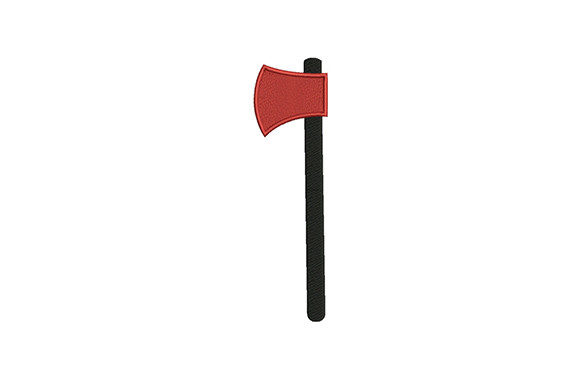
When I first pulled up the Wooden Firefighter Axe design file, I immediately felt its quiet strength. This isn't one of those overly detailed, hyper-realistic embroidery files that chokes a machine with a million tiny stitches. Instead, it leans into simplicity with purpose. The wooden axe handle and the axe head shape create a grounded, almost rustic mood that feels right at home in the Work category. As a designer who has tested hundreds of machine embroidery designs, I can tell you that simplicity done well is harder to find than complexity done passably. This one gets it right.
The visual personality of the Wooden Firefighter Axe reads as respectful, sturdy, and quietly heroic. It doesn't scream for attention. It sits there with a kind of earned confidence, making it an excellent candidate for projects where the message matters more than the decoration. The theme naturally connects with firefighting, first responder appreciation, and service-related gifting, but I can also see it working for outdoor-themed products, rustic cabin decor, or even lumberjack-inspired apparel. The design's restraint is its biggest asset.
First Glance: Mood, Shape, and Where It Belongs
Opening the embroidery file, I noticed the layout right away. The axe shape is well-proportioned, with the wooden handle section providing a nice contrast to the axe head. The grain-like texture in the handle area suggests wood without overcomplicating the stitch path. This is where many designs go wrong, trying to cram too much detail into a small space. The Wooden Firefighter Axe avoids that trap. The overall silhouette is clean and recognizable even from a distance, which matters a lot when you are stitching on something that will be seen across a room, like the back of a sweatshirt or the front of a tote bag.
From a practical standpoint, I immediately started mentally slotting this design into project categories. It belongs on sturdy, medium-weight fabrics. Think canvas tote bags, cotton twill caps, denim jackets, and fleece-lined sweatshirts. The design's structure suggests it would hold up well on items that get regular use, which is exactly what you want for a work-themed embroidery design. I would not immediately reach for this file if I were planning a delicate baby onesie or a thin rayon blouse, but for a rugged apron or a personalized patch, it feels right at home.
A Real Project Scenario: The Firefighter Appreciation Tote
Let me walk you through a real scenario I kept thinking about while reviewing this design. Imagine a small shop owner preparing custom embroidered tote bags for a fire station fundraiser. The client wants something tasteful, not cartoonish. They want the design to feel like a badge of honor rather than a novelty print. The Wooden Firefighter Axe fits that brief perfectly.
I would test this design on a medium-weight canvas tote in a natural oatmeal color. The wooden handle section would blend beautifully with that neutral background, while the axe head, stitched in a darker thread, say charcoal or deep gunmetal gray, would create just enough contrast to pop without looking harsh. After stitching, the design would likely settle into the fabric with a slightly textured, dimensional feel that customers love to touch. That tactile quality is something you cannot fake with a printed graphic. It is pure embroidery value, and it makes the finished product feel premium.
For a sweatshirt application, I would place the design on the upper left chest or centered on the back, depending on the hoop size. A left-chest placement keeps things subtle and professional. A back placement turns it into a statement piece. Either way, the design's clean lines mean it reads clearly without confusing the eye. That clarity is crucial for customer satisfaction. When someone buys a handmade product featuring an embroidery design, they expect it to look intentional and crisp. The Wooden Firefighter Axe delivers that.
How the Design Performs on Different Products
Over the years, I have learned that not every machine embroidery design translates well across all product types. Some designs that look stunning on a flat tea towel become a distorted mess on a curved cap. Others that stitch beautifully on cotton turn into a puckered disaster on stretchy knit. Here is my honest breakdown of where the Wooden Firefighter Axe would thrive and where it might need extra care.
Where It Shines
- Canvas tote bags: The flat, stable surface lets the design stitch out cleanly. The rustic theme pairs naturally with the fabric texture.
- Sweatshirts and hoodies: Fleece and French terry provide a forgiving base. Use a cutaway stabilizer and the design should hold up through many washes.
- Aprons: A heavy cotton or denim apron with this design on the chest pocket or bib area looks professional and purposeful.
- Patches: Stitch it on felt or twill backing, add a merrowed edge, and you have a sellable embroidered patch for firefighter families or workwear enthusiasts.
- Pillow covers: A lumbar pillow with this design centered on the front adds a subtle themed accent to a rustic living room or cabin space.
- Caps and hats: With proper hooping and a firm stabilizer, the design should fit well on the front panel of a structured cap.
Where to Use Extra Caution
- Thin or stretchy fabrics: Lightweight jersey, rayon, and thin cotton blends may pucker around the stitch area. A heavy cutaway stabilizer helps, but the design's density might still overwhelm delicate fabrics.
- Small hoop sizes: If the design is sized down too aggressively, the axe handle grain details could blur together. Always test a reduced version on scrap fabric before committing to a final product.
- Dark fabrics: The wooden handle section may lose visibility on charcoal or black backgrounds unless you adjust thread colors carefully. A lighter brown or tan thread can rescue the contrast.
- Curved surfaces: Caps with a steep crown curve can distort the axe shape. Use a cap-specific hoop and consider a slightly smaller version of the design for hats.
- Items needing frequent washing: While the design should hold up with proper stabilizer, repeated high-heat drying can wear down satin stitches over time. Advise customers to wash inside out and air dry when possible.
What Buyers Notice: Visual Appeal and Perceived Value
When you sell a handmade product, the customer's first impression happens in about three seconds. They see the stitched design, and they either feel something or they do not. The Wooden Firefighter Axe has a strong emotional hook because it taps into a recognizable symbol of service and bravery. That instant recognition builds trust. A firefighter's spouse browsing Etsy for a personalized gift will stop scrolling when they see this design because it speaks their language without over-explaining itself.
From a brand consistency standpoint, this design fits neatly into a cohesive product line. If you already sell work-themed embroidery, outdoor gear, or first responder gifts, adding this axe design to your catalog strengthens your niche. It tells customers that you understand their world. That kind of focused branding is far more effective than trying to appeal to everyone with generic designs.
The giftability factor is high here. A kitchen towel with this design makes a thoughtful holiday gift for a firefighter's family. A customized sweatshirt becomes a meaningful retirement present. A simple patch stitched onto a backpack becomes a daily reminder of pride. The design's simplicity is what makes it so versatile. It does not try to be cute or trendy. It is straightforward and sincere, and that sincerity transfers to the finished product.
Practical Designer Notes Before You Stitch
Before you load this embroidery file onto your machine and start stitching on a customer order, here are some notes I would want any fellow designer to consider. I have learned these lessons the hard way over years of trial and error, and they apply directly to the Wooden Firefighter Axe design.
Test on scrap fabric first. Always. Even if you have stitched similar designs before, every file has its own stitch density and pathing. A quick test on a piece of fabric similar to your final product will reveal any tension issues, thread breaks, or alignment problems before they ruin a customer piece.
Check thread color contrast. The wooden handle section relies on subtle color shifts to create the wood grain effect. If your thread choices are too close in tone, the detail disappears. If they are too contrasting, it looks unnatural. Test a few brown and tan combinations on your actual fabric color to find the sweet spot.
Review stitch density. Some areas of the axe head may have denser fill stitches than others. If you are stitching on a lighter fabric, that density difference can cause slight pulling. A quality cutaway stabilizer minimizes this, but awareness helps you catch issues early.
Confirm hoop size. Before purchasing or using the design, verify the exact dimensions and make sure your hoop can accommodate it comfortably. Do not forget to account for the extra space needed around the design for proper hooping. A design that barely fits the hoop edge is a recipe for registration errors.
Inspect small details. Zoom in on the digital preview. Look at the axe handle grain, the edge of the axe head, and any transition points between fill stitch and satin stitch. These are the areas where small imperfections can show up in the final stitch-out.
Test on light and dark backgrounds. A design that looks crisp on white canvas might lose definition on navy blue. If you plan to offer this design on multiple fabric colors, test it on both ends of the spectrum and adjust thread colors accordingly.
Use proper stabilizer. For most applications, a medium-weight cutaway stabilizer works well. For stretchy fabrics, add a layer of tear-away backing for extra support. For caps, use a cap-specific stabilizer and hoop system.
Check licensing terms. Before you sell finished products featuring this design or include it in any digital product bundle, confirm the commercial licensing terms. Some embroidery files are licensed for personal use only, while others allow commercial use on finished items. Never assume.
Fit for Commercial Embroidery and Small Business Use
For Etsy sellers, craft fair vendors, and small shop owners, the Wooden Firefighter Axe offers real commercial potential. The work theme is perennially relevant, and firefighter appreciation never goes out of style. I can see this design selling well on embroidered patches, custom tote bags, and personalized sweatshirts, especially around holidays like Father's Day, Christmas, and National Firefighter Appreciation events.
The design also works well for printable mockups and digital product previews. If you sell embroidery design assets or offer custom stitching services, showing this design in a clean, well-lit mockup on a canvas tote or a heather gray sweatshirt can attract buyers who are looking for exactly this aesthetic. The simplicity of the design means it photographs well and looks professional even in a quick product photo.
One thing I appreciate about the Wooden Firefighter Axe is how it avoids being overly niche. While it clearly fits the firefighting theme, the wooden axe motif has broader appeal. It can cross over into outdoor adventure, camping, woodworking, and rustic lifestyle niches. That flexibility means you can list the same finished product under multiple categories and reach a wider audience without stretching your brand thin.
Final Practical Thoughts
After spending time with this design, thinking through real project applications, and imagining how it would look on finished products, I am confident the Wooden Firefighter Axe is a solid addition to any embroidery designer's toolkit. It is not flashy. It does not rely on gimmicks. It is a straightforward, well-structured design that stitches cleanly, reads clearly, and resonates with people who value service and hard work.
For personal projects, it makes a meaningful gift. For commercial use, it fills a reliable niche. For craft businesses, it offers a design that customers will actually want to buy. That is the kind of practical design judgment that matters when you are choosing which embroidery files to invest your time and materials into.
If safety comes first for you, as the product description suggests, then this design aligns with that value. It honors the spirit of firefighting without unnecessary embellishment. And in a world full of overcomplicated embroidery designs, that kind of clarity is genuinely refreshing.