Botanical Embroidery Art on Tulle: A Seasonal Review
First Impressions: Ethereal Beauty for Holiday Magic
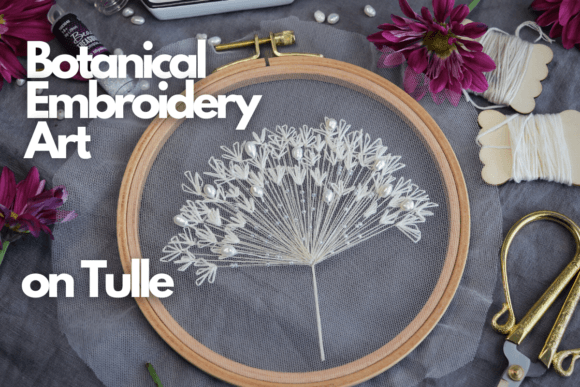
When I first explored the Botanical Embroidery Art on Tulle class by Julia Shore, I immediately felt the pull of a romantic, elegant aesthetic that could transform any seasonal product line. The floating floral motifs, the dreamy transparency of tulle, and the delicate stitching create a mood that is both nostalgic and premium. This isn’t just another embroidery file; it’s a technique that opens doors for holiday embroidery with a whisper of enchanted garden charm. As a designer who scouts seasonal collections for Etsy sellers and small shop owners, I look for that emotional hook—and this class delivers a soft, heartfelt tone perfect for winter weddings, Valentine’s romance, spring celebrations, and cozy Christmas giftables.
The decorative style leans modern with a vintage soul. The see-through tulle effect makes the stitched botanicals appear to float, offering a magical quality that stands out on table linens, ornaments, or even delicate apparel. For handmade gift creators, this is a goldmine of visual storytelling. It feels like a secret garden brought to life with thread, evoking a sense of slow luxury that holiday shoppers crave.
Seasonal Versatility: From Ornaments to Apparel
I ran through my mental checklist of holiday selling scenarios—craft fairs, Etsy listings, custom gift bundles, and limited-edition apparel drops—and Botanical Embroidery Art on Tulle fits beautifully across all of them. The floating botanical design can be adapted as a machine embroidery design when digitized from the skills taught in the class, or the technique itself can be used to create standalone decorative pieces. Here’s how I see it performing in real seasonal situations:
- Gift bundles: Combine a sheer tulle botanical hoop art with a matching linen pillow cover or a set of embroidered kitchen towels. The ethereal look elevates the bundle’s perceived value—perfect for personalized gift options.
- Etsy listings: Photos of floating botanical art on tulle practically beg to be clicked. Use printable mockup images showing the design on sweatshirts, tote bags, or framed ornaments to attract holiday browsers.
- Craft fair displays: A booth featuring this delicate embroidery will draw in customers looking for something different. The holiday spirit thrives on uniqueness, and tulle botanicals offer a premium alternative to standard felt ornaments.
- Family matching items: Soft tulle accents on mom’s sweatshirt, a tiny version on a baby onesie, or a coordinating embroidery on a tote bag—this technique creates a cohesive, sentimental collection that sells well during the holidays.
- Home decor: Think floating blossoms on sheer curtain panels, table runners, or luminous ornament covers. The class teaches you to create art that can be framed or hung, instantly becoming a finished product with gift-ready appeal.
- Social media previews: The visual impact of tulle embroidery is undeniable. Short videos or close-up photos of the stitching process will stop the scroll and build engagement, especially when paired with seasonal color palettes.
For machine embroidery design sellers who digitize their own files, the class offers a fresh perspective. You can develop a series of digital embroidery file collections inspired by the floating botanical concept, expanding your shop’s holiday catalog without relying on the same old motifs.
Where to Use Caution: Delicate Tulle and Fine Details
While the beauty is undeniable, I always advise a practical lens. Botanical Embroidery Art on Tulle requires careful handling, especially when transitioning to high-volume seasonal production. Here’s where I’d recommend extra testing and thoughtful product selection:
- Small hoop sizes: The floating effect relies on negative space. Cramming the design into a tiny hoop undermines the airy look. Stick to medium or larger hoops to preserve the delicate balance.
- Thick towels and dark fabrics: Tulle applied onto heavy towels can lose its transparency. On dark fabric, the subtle thread colors may disappear or look muddy. Always test your thread colors on both light and dark backgrounds. If you’re planning a sweatshirt embroidery for the holidays, opt for a light base or use a contrasting tulle overlay that pops.
- Stretchy garments: Tulle stitched directly onto stretchy knits can pucker or warp after washing. Use a high-quality stabilizer and consider creating a patch that can be sewn on, rather than stitching directly into the garment.
- Layered details and tiny lettering: The class focuses on botanical shapes, but if you combine them with text, keep lettering large and simple. Tiny lettering on tulle can become lost or distorted.
- Metallic thread: For holiday sparkle, metallic threads are tempting, but they can shred on fine tulle. Test your stitch density and needle size carefully. The charm of this technique is its softness, not heavy bling.
- Repeated washing: Items like kitchen towels or baby items need frequent laundering. The tulle may fray or the embroidered area may lose its shape. If you plan to offer kitchen towel embroidery with this technique, consider framing the tulle as a removable decorative insert or using it only on display pieces.
These cautions don’t diminish the value; they simply guide smart product development. I always tell my small shop product clients: a design that needs careful handling can still be a bestseller when marketed as a delicate, heirloom-quality piece.
Boosting Seasonal Sales with Botanical Embroidery Art on Tulle
Now, let’s talk about the emotional and commercial impact during the holiday rush. Seasonal embroidery buyers are flooded with options—snowmen, reindeer, Santa hats. Botanical Embroidery Art on Tulle offers a refreshing departure. It appeals to the customer who cherishes a romantic, cozy aesthetic over cutesy. The floating floral design can be customized with winter berries, dried lavender, or frosty leaves, making it adaptable for Christmas, winter solstice, and New Year’s celebrations.
From a buyer emotion standpoint, the technique shouts “special.” When a shopper sees a delicate tulle botanical on a pillow cover or a tote bag design, they perceive higher craftsmanship. This allows you to price your finished product at a premium, increasing profit margins during the high-spend season. The giftability factor is off the charts—these items feel like they came from a boutique, not a bargain bin.
For Etsy sellers, the class also solves a common problem: standing out in search. While others compete on basic embroidery file downloads, you can offer a unique aesthetic that’s harder to replicate. Your printable mockup images will draw attention, and once customers see the finished product, customer trust and visual recognition grow. A consistent, botanical-tulle signature style across your shop builds brand consistency and keeps buyers coming back for each new seasonal drop.
I’ve seen a single embroidered patch made with this technique become the centerpiece of a holiday gift set. The key is to market it as an art piece, not just another machine embroidery design. Use language that evokes the feeling of a frozen garden, whispering wind, and timeless romance—that’s what sells during the holidays.
Practical Designer Notes for Embroidery Sellers
As someone who has tested countless commercial embroidery products, I always share a checklist before adding a new design or technique to a seasonal lineup. Here’s what I’d do after taking the Botanical Embroidery Art on Tulle class:
- Test thread colors on both light and dark fabric. Since tulle is sheer, the background fabric heavily influences the final look. Create swatches on white, cream, navy, and blush to see which combinations will fly off the shelf.
- Check stitch density. The class teaches a specific stitching style. Ensure your digitized versions (if you create digital embroidery file versions) maintain the open, airy feel. Overly dense stitching kills the floating effect.
- Confirm hoop size. The class may not specify a single hoop size since it’s technique-based. Choose a hoop that fits your most popular blank products—a 5x7 or 6x10 is often safe for sweatshirt embroidery and tote bags, but always measure before committing to a bulk order.
- Use proper stabilizer. Tulle can be finicky. A water-soluble topper on top and a tear-away or wash-away stabilizer underneath works wonders. For stretchy textiles, a cut-away stabilizer will prevent distortion over time.
- Create realistic mockups. Before listing, stitch a sample and photograph it on actual products. The transparency of tulle can look different in photos than in person. Use natural light to capture the delicate shadows.
- Review small details after stitching. Inspect the edges of leaves and petals. If threads loosen, a dab of fabric glue or a careful finishing stitch can keep the design intact for the long haul.
- Plan matching color palettes. For holiday collections, develop a signature palette—think dusty rose, sage green, antique gold, and soft ivory. Offer these as a coordinated set across your pillow cover, kitchen towel embroidery, and embroidered patch options.
- Confirm commercial licensing. The Botanical Embroidery Art on Tulle class is, as described, a teaching resource. Before selling finished products based on the techniques, ensure you’re allowed to use the learned skills commercially. Most classes grant personal and commercial use, but check with Julia Shore’s policies to avoid any licensing surprises.
These steps guard your business reputation and ensure every holiday embroidery piece leaves your studio looking impeccable.
Final Thoughts on Adding This Class to Your Seasonal Toolkit
After a thorough evaluation, I’m confident Botanical Embroidery Art on Tulle is a wise investment for any small shop product creator who wants to elevate their holiday offerings. It’s not a quick-fix design file; it’s a skill that will keep on giving. The ethereal results align perfectly with the sentimental, gift-centric nature of the season. Whether you’re stitching a single handmade gift for a loved one or building a full Etsy seller collection, this class will help you produce pieces that feel like treasured keepsakes.
Just remember to pair the technique with smart product choices. Lightweight scarves, sheer curtain panels, framed hoop art, linen pillow covers, and delicate tote bags are your best friends. Avoid heavyweight items that hide the magic. And always, always test your fabric texture and stabilizer before the holiday rush.
For apparel decorators and digital embroidery file buyers, the class offers a unique angle to diversify your catalog. You can create a signature line of machine embroidery design downloads inspired by the floating tulle concept, complete with matching printable mockup sets. This positions you as a trendsetter, not a follower. In a market saturated with reindeer and pumpkins, a botanical whisper on tulle is the refreshing secret that will capture hearts—and sales.
I’ll be adding this technique to my own seasonal schedule, starting with a limited-edition ornament collection and a few custom sweatshirt embroidery pieces for Valentine’s Day. The Botanical Embroidery Art on Tulle class is exactly the kind of slow, creative process that yields fast holiday results when done right.