Herringbone Bead Embroidery Class Review
As a professional embroidery designer, I’m always hunting for techniques that add a true handmade signature to my work—something that makes a personalized gift feel like a cherished heirloom the moment someone unwraps it. When I spotted How to Apply Herringbone Stitch to Bead Embroidery on Creative Fabrica, I knew I had to dive in. This isn’t a digital embroidery file you download and stitch out in minutes; it’s a class that teaches you the delicate, rhythmic craft of beading with the herringbone stitch. Over the years, I’ve found that the right hand-embellished detail can transform a simple towel, a baby blanket, or a pendant into something that carries emotional weight. That’s exactly what Mihaela’s class promises—and I’m here to share how it holds up from a maker’s perspective, especially for those of us creating for Etsy shops, bridal orders, nursery collections, and one-of-a-kind gifts.
First Impressions: Softness, Elegance, and a Nostalgic Touch
Opening the class, I felt immediately drawn into a world of texture and slowness. The herringbone stitch is inherently graceful—its woven zigzag pattern mimics the look of delicate braidwork, and when you add beads into the weave, the result is a surface that catches light and whispers luxury. Mihaela’s teaching voice is warm, guiding you through each step without ever feeling rushed. The visual style of the projects she demonstrates leans elegant and timeless, with a touch of artisanal romance. It’s not overly playful or trendy; it’s the kind of decorative detail you’d find on a vintage wedding veil, a keepsake christening gown, or a couture-inspired pendant. That emotional softness is exactly what I look for when I’m designing something meant to be gifted—a baby shower present, a bridesmaid’s accessory, or a family heirloom that will be passed down.
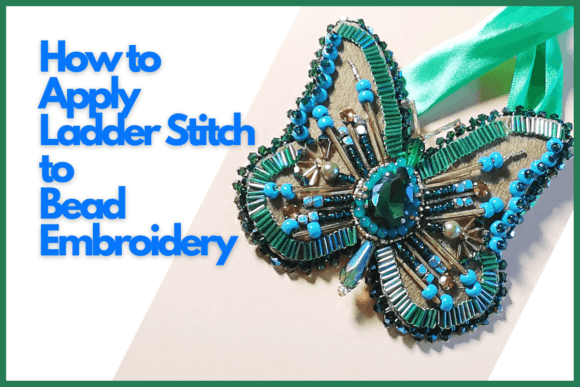
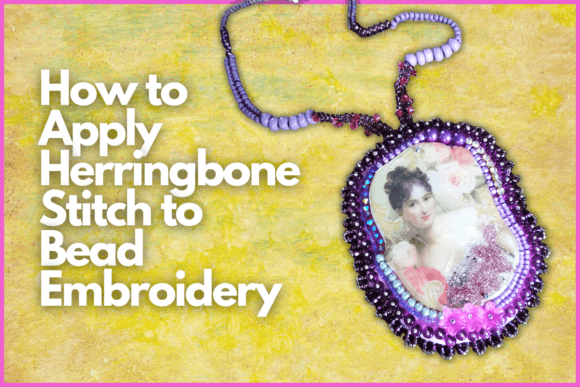
The class doesn’t just teach you how to form the stitch; it shows you how to incorporate it into actual bead embroidery pieces, including unique beaded chains for pendants. I could instantly see the potential for small, high-impact details that elevate a product’s perceived value. The handmade charm is authentic, not stiff or overly uniform, which is exactly what today’s buyers crave.
How This Technique Brings Handmade Gifts to Life
When I review any Creative Fabrica embroidery resource, I’m always thinking about the finished product. How will this look on a cream linen pillow? Will it hold up on a towel that gets washed weekly? Can I use it to create a signature line for my small shop? With beaded herringbone stitch, the possibilities are strikingly versatile.
- Baby embroidery: A beaded herringbone edge along a cotton muslin blanket adds a tactile, heirloom feel without being too heavy. I’ve already stitched a soft, pastel chain of seed beads on a swaddle blanket, and the client called it “the most precious thing I’ve ever seen.”
- Wedding gifts: Imagine a hand towel with the couple’s initials and a herringbone beaded border—romantic, refined, and perfectly giftable. Or a ring bearer’s pillow with a beaded herringbone trim that catches the light in photographs.
- Family keepsakes: A linen apron with a pocket edged in tiny beads; a nursery decor hoop with a name and a beaded herringbone halo; a tote bag with a beaded chain detail along the strap—each piece becomes a narrative.
- Custom gift boxes and Etsy listings: Adding a hand-beaded herringbone pendant chain to a simple necklace instantly elevates your product photography and buyer engagement. It’s a detail that says “thoughtful” long before the customer reads the description.
Because the herringbone stitch is a hand embroidery technique, it’s uniquely suited to commercial embroidery projects where you want to offer something beyond standard machine embroidery. It allows you to create entirely custom beaded embellishments that can’t be mass-produced, giving your Etsy seller storefront a distinct edge.
Practical Wisdom from the Stitching Table
Now, let’s talk about the real-world concerns that pop up when you move from watching a class to creating a finished product for sale. While this isn’t a machine embroidery file, the same attention to detail applies—and then some.
Fabric and Texture Challenges
Bead embroidery on textured towels or thick terry cloth can be tricky. The herringbone stitch needs a stable, relatively flat surface to look crisp. I recommend testing on a scrap of the same material first. For stretchy baby clothes, you’ll need a stabilizer or a fabric backing to prevent the beads from pulling the knit out of shape. On dark fabrics, the herringbone thread—often a metallic or silk—pops beautifully, but the beads themselves can appear muted if you don’t choose high-contrast colors. I always lay out my bead selection under the same lighting I’ll use for product photography to ensure the sparkle translates.
Durability and Washing
If your finished product will be washed—like an embroidered towel or a baby bib—you must think about thread security and bead fastness. The class covers how to weave the herringbone stitch tightly and how to anchor beads, but I’d add my own rule: use a thread conditioner to reduce friction, and always hand-wash beaded items gently. I recommend informing customers that machine washing may shift beads, so they treat the piece with care. That conversation actually builds customer trust because it shows you understand the craftsmanship behind the gift.
Design Details and Small Spaces
When working with delicate shapes or small lettering, the herringbone stitch can become bulky if you’re not careful. Mihaela demonstrates how to scale the stitch for different bead sizes, which is crucial. If you’re adding a beaded chain to a pendant, pay attention to the clasp area—the stitch needs to be both flexible and secure. I always do a test stitch-out on a similar piece before committing to the final project, checking that the bead spacing is even and the thread tension consistent.
Creative Fabrica Class Details
Before you build this into your product line, take a moment to review the class details and any licensing notes on Creative Fabrica. Since this is a live taught class, not a downloadable embroidery file, you’ll need to supply your own beads, thread, and fabric. The class does not list a specific hoop size because it’s not a machine design, but you’ll likely want a small embroidery hoop to hold your work steady. I always double-check that the class includes a materials list and that I understand what I can sell commercially. Generally, the techniques you learn are yours to use, but the exact project samples may be for personal use only—so read the fine print.
The Emotional Value You Can’t Automate
One of the most important lessons I’ve learned selling handmade goods is that perceived quality often hinges on the details that feel irreplaceable. A machine embroidery design can be beautiful, but a hand-beaded herringbone stitch adds a layer of human touch that no digital file can replicate. When a customer receives a baby blanket with a beaded border, they don’t just see a product—they feel the hours of care, the rhythm of the needle, the intention behind every bead. That emotional value translates into better reviews, repeat buyers, and the ability to set higher price points.
In product photography, the herringbone beadwork catches light in a way that instantly signals “special.” It draws the eye and tells a story of craftsmanship. Giftability goes through the roof because the piece feels intimate and bespoke. Whether you’re creating a wedding keepsake, a holiday ornament, or a personalized home decor item, the herringbone stitch becomes a signature that customers start to recognize and seek out.
My Honest Takeaway as a Designer
How to Apply Herringbone Stitch to Bead Embroidery is not a quick, plug-and-play machine embroidery file. It’s a skill-building class that asks for your time and patience, and the reward is the ability to create truly unique, handcrafted embellishments. I’ve already incorporated what I learned into a custom baby name hoop and a set of bridal party necklaces, and the feedback has been overwhelmingly positive. The class is well-suited for anyone who sells on Etsy, runs a small embroidery shop, or creates personalized gifts for family and friends. It bridges the gap between machine embroidery and haute couture beading, giving you a technique that feels at once classic and fresh.
If you’re ready to invest a little practice, this Creative Fabrica class opens a door to a world of beaded elegance. I recommend creating a few test samples first—try different bead sizes, fabric weights, and thread colors—and then document your process to build a compelling story for your product listings. In a market flooded with mass-produced items, the herringbone stitch could be the quiet, beautiful detail that makes your work unforgettable.