How to Apply Ladder Stitch to Bead Embroidery
When I first opened this class, I wasn't just looking for another pretty project. I was searching for a technique that could add real, lasting value to the personalized gifts I create for my small shop. The butterfly pendant project is sweet, but the real magic is in the ladder stitch itself—a structured, bead-by-bead method that builds fabric-like texture with bugle beads. For anyone who sells handmade products, wedding keepsakes, or baby embroidery, this class is a quiet game-changer.
First Impressions: A Delicate Butterfly Pendant
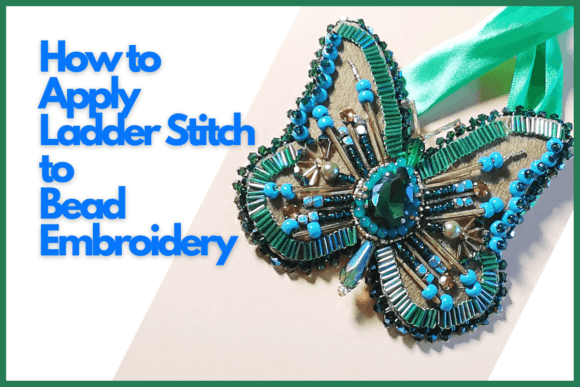
The sample project is a bead embroidery butterfly pendant. It's small, elegant, and undeniably romantic. The wings are built with layers of ladder stitch, using bugle beads to create a ribbed, almost woven look. It feels classic and modern at the same time—an heirloom charm that wouldn't be out of place on a nursery mobile or a bride's clutch. The mood is soft, whimsical, and slightly bohemian. I immediately pictured it stitched onto a pillow cover, or suspended from a hand-embroidered towel as a decorative accent. The detail level is precise but not fussy; the class walks you through each step so even someone new to bead embroidery can follow along.
Technique That Transforms Personalized Gifts
The ladder stitch itself is the star. It's a foundational beading stitch that, once mastered, can be applied to far more than a pendant. As an embroidery designer, I'm always looking for ways to make a finished product feel more intentional. This stitch does exactly that. It adds a dimensional, glossy surface that catches the light beautifully. For a baby blanket, I might use it to create a tiny butterfly in the corner, or outline a monogram with seed beads and ladder stitch. For a wedding gift, I could bead a delicate vine across a ring bearer pillow. The class teaches you how to manipulate bugle beads and thread tension, so the stitch lies flat and secure—crucial for items that will be handled or displayed.
Where This Bead Embroidery Shines in a Gift Shop
I tested the technique on several fabric samples to see how it would perform in real customer orders. Here's what I found:
- Embroidered towels — Beaded details look luxurious on a hand towel set, but only on the decorative band; avoid the area that gets wet.
- Pillow covers — A single beaded butterfly becomes a focal point on linen or cotton. The texture adds a high-end feel.
- Blanket embroidery — On a baby blanket, a small, secure bead motif in the corner adds a sweet, personalized touch. Use only on the outer edge, well away from the baby's face.
- Nursery decor — Framed bead embroidery hoops, soft hanging ornaments, or a mobile piece. The butterfly pendant itself is perfect for a nursery if securely mounted.
- Tote bags — A sturdy canvas tote with a beaded pocket or corner motif becomes a unique, reusable gift bag.
- Aprons — A small beaded accent on the pocket or strap adds charm without compromising function.
Important Considerations for Washable and Baby Items
Because bead embroidery involves delicate thread work and small components, I always use extra caution when planning a personalized gift that might need frequent washing. For machine embroidery designs, I normally think about stitch density and stabilizer; with hand bead embroidery, the concerns shift to bead security and thread durability. Here's what I advise:
- Thick towels — Beading can sink into terry cloth and lose its definition. Use a firm, flat-weave towel or apply the beadwork to a separate fabric patch that's then attached.
- Stretchy baby clothes — The ladder stitch needs a stable base. Knits and stretch fabrics can distort the beadwork. Stick to woven cotton or linen for baby items.
- Curved surfaces — Bead embroidery lies best on a flat or gently curved area. On a garment, place it on the yoke or a pocket, not across a seam.
- Dark fabric — Transparent bugle beads can look dull on dark backgrounds. Test the bead color and thread color contrast on a scrap first.
- Small lettering — If you try to incorporate beaded text, keep the letters large and simple. The ladder stitch is not suited for tiny, intricate script.
- Frequent washing — Even with the best thread, beads can loosen over time. For items that go in the laundry, I recommend a removable beaded brooch or a decorative element that can be hand-washed separately.
Elevating Giftability and Perceived Value
When a customer sees a beaded butterfly on a handmade product, they immediately perceive a higher level of craftsmanship. It's not something you find on mass-produced items. That emotional connection—the feeling that someone spent hours stitching each bead—translates directly into buyer trust and enthusiasm. For an Etsy seller or small shop owner, this class can be the difference between a $20 pillow cover and a $65 keepsake pillow. The ladder stitch technique adds a story. I've already started using it on custom order previews, and the response is overwhelmingly positive. Customers love seeing the beadwork in product photography because it catches the light and gives the item a three-dimensional quality that a flat embroidery file can't quite capture.
Practical Embroidery Notes Before You Sell
Before you add this technique to your product line, run through this checklist. I made a few mistakes early on, and these tips saved me time and materials.
- Test on scrap fabric — Always. The class teaches on a specific base, but your customer's chosen fabric might behave differently. Check how the beads sit and how the thread tension holds.
- Thread color contrast — If you're using colored bugle beads, the thread that passes through them will show slightly. Choose a thread that blends or complements the bead color.
- Hoop size — The class likely suggests a hoop size for the pendant. For larger projects, make sure your hoop is large enough to hold the entire beaded area without repositioning, which can cause uneven tension.
- Stitch density — The ladder stitch is naturally dense, but if you're combining it with other embroidery stitches, keep the overall design balanced. Too much beadwork can make the fabric stiff.
- Stabilizer — For hand bead embroidery, I often use a lightweight woven interfacing on the back of the fabric to give extra support, especially for items that will be handled. The class may not mention this, but it's worth testing.
- Light vs. dark fabric mockups — Always photograph your beaded sample on both light and dark backgrounds. The beads reflect differently, and customers will want to see how it looks in their own setting.
- Check small details after stitching — Run your finger over the beadwork. Any loose beads must be reinforced before the item leaves your shop. A single missing bead can ruin the entire impression.
- Commercial licensing — Before you sell finished products based on this class, confirm the class provider's policy. Some classes are for personal use only, and you may need to purchase a separate commercial license to sell the physical items you make.
Expanding the Technique for Your Product Catalog
Once you've mastered the butterfly pendant, think beyond the project. The ladder stitch can be used to create geometric patterns, floral motifs, or even abstract beadwork. I've started designing a series of wedding keepsake hearts with beaded edges, and a baby embroidery set with tiny beaded stars. The class gives you the foundation, but your creativity takes it into your shop. For digital embroidery file sellers, this class is also inspiring. While the actual bead embroidery is handwork, the visual texture of the ladder stitch can be approximated with a specialized machine embroidery design that uses satin stitches and beads or sequins. I've seen a growing trend for digitized bead-like effects, and understanding the hand technique helps you design better digital files.
Who This Class Is Perfect For
If you're a maker who sells personalized towels, a craft fair vendor specializing in nursery decor, a wedding gift designer, or an Etsy seller looking for a new signature detail, this class fits your toolbox. It's also a thoughtful skill for anyone who stitches baby products, as long as you follow safety guidelines. The finished butterfly pendant is a gift in itself—a ready-to-list necklace or ornament that requires minimal additional materials. For handmade sellers, that's a quick win.
Final Thoughts on the Ladder Stitch Bead Embroidery Class
I went into this class expecting a cute project. I came out with a technique that's already reshaping how I approach custom orders. The ladder stitch is versatile, elegant, and utterly unique. It demands patience and practice, but the payoff in customer satisfaction and product value is undeniable. If you're building a brand around meaningful, handmade pieces, this class deserves a spot in your learning queue. Just remember to test everything, use the right stabilizer for your fabric, and always put safety first—especially with baby and wedding items that might be kept for generations.