Polly: A Designer’s Review of This Pirate Parrot Embroidery
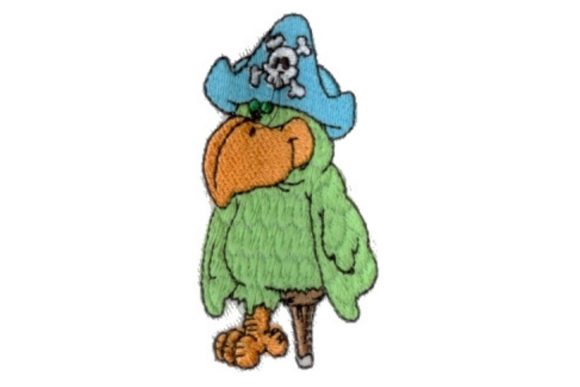
When a new machine embroidery design lands in my test folder, I don’t just look at the preview; I immediately start imagining it stitched on a real product, washed a few times, and handed to a customer. That’s the lens I’m using for Polly, a pirate-themed parrot from the Pirates category. The description says it all: “Aye, Aye, Captain—complete your pirate collection with this cute little parrot.” The artwork is based on exclusive designs from Mooseb, and right away, that gives me confidence in the originality. I’m not stitching a generic clipart bird; I’m working with a character that has a distinct personality. That matters a lot when you’re trying to build a cohesive handmade product line or a themed collection for a craft fair.
First Impression: A Confident Little Sidekick for Your Stitching Lineup
Opening the file, I see a composition that leans into playful charm. Polly isn’t trying to be a realistic macaw; the shape is slightly cartoonish, the eye is big and expressive, and the tail feathers have a cheerful swoop. The overall layout feels balanced—there’s enough detail to show off the satin stitch and fill stitch work, but nothing so microscopic that I’d worry about thread breaks on a dense cotton twill. The mood is immediately lighthearted, a little cheeky, and completely on-brand for a pirate-themed project. I can already picture this on a baby onesie, a children’s backpack, or a kitchen towel that says “Welcome to the galley.”
One thing I appreciate as a reviewer is that the design doesn’t try to cram too many elements into a small space. The parrot’s body, wing, beak, and the little pirate bandana are distinct enough to read clearly even from a few feet away. That’s a huge plus for products like tote bags or sweatshirt embroidery, where the design needs to be recognizable at a glance. If you’re selling at a market stall, you want the customer to see Polly and smile—not squint.
Where Polly Shines: Real-World Project Ideas
I always test a design mentally against a few product categories that my clients request most often. Here’s where I think Polly will perform brilliantly.
Apparel That Tells a Story
For custom apparel, this design is a natural fit. A unisex sweatshirt with Polly stitched on the left chest creates an instant conversation piece. The pirate theme is popular for birthday parties, and I’ve had Etsy sellers ask for a design that works on both a child’s tee and a matching adult cap. Polly’s size—if it’s optimized for a 4x4 or 5x7 hoop—would be perfect for that. On a denim jacket, you could place it on the pocket or the back yoke for a bit of whimsy without overwhelming the garment.
Patches That Pop
If you’re into making embroidered patches, Polly is a strong candidate. The defined edges and the bandana detail offer a clean outline that can be trimmed close to the satin stitch border. I’d test a few different background fabrics—black twill, red canvas, even a heathered gray—to see which makes the thread colors pop. Patches are a high-margin product for craft businesses, and a pirate parrot patch feels like a fresh alternative to the usual skull-and-crossbones motif.
Gifts and Home Décor with a Wink
A pirate parrot might not be the first thing you think of for a wedding gift, but consider a set of personalized tea towels for a couple that loves nautical themes or has a playful sense of humor. Polly can be paired with a small monogram or a short phrase like “Ahoy, Matey” for a cohesive look. Pillow covers, nursery decor for a pirate-themed room, and even a simple apron for a dad who grills—these are all places where Polly adds a dose of personality without being too juvenile.
Stitching Reality Check: What to Watch For
No design is perfect for every fabric and every hoop size, and Polly is no exception. Based on my experience, I’d flag a few practical considerations before you load the bobbin.
Fabric and Stabilizer Selection
On thin, stretchy fabrics like a lightweight jersey tee, the density of the fill stitches in the parrot’s body could cause puckering. I’d recommend a good cutaway stabilizer and a topper if the fabric is napped or fuzzy. For textured fabrics like a waffle weave towel, the details in the eye and beak might lose some crispness, so test first. On dark fabrics, the thread colors—likely a mix of bright greens, reds, and yellows—need to be checked for contrast. A dark navy sweatshirt might swallow the parrot’s pupil if the black thread isn’t adjusted. I always do a quick stitch-out on a scrap of the same fabric I’ll sell to avoid surprises.
Small Details and Hoop Size
The bandana knot and the tiny wing feathers are areas where stitch density can become a problem if the design is scaled down too much. If you’re planning to use this on a baby bib or a cap’s front panel, confirm the minimum hoop size recommended by the digitizer. Running a design too small can cause thread nests and breakages, which is a waste of time and materials. I’d also test the design in a black-and-white mockup print to see if the parrot’s silhouette holds up without color—that’s a quick way to gauge whether the running stitch outlines are doing their job.
Curved Surfaces and Layered Garments
Caps are a classic home for pirate designs, but the curved surface of a trucker hat can distort the parrot’s shape if the design isn’t specifically digitized for caps. The same goes for the seam of a tote bag or the shoulder of a raglan tee. Before stitching on a finished product, I’d float the design on a scrap piece of the same curved area to see if any registration shifts occur. I’ve learned the hard way that a perfectly good design can look wonky when it crosses a seam.
How Polly Elevates Your Handmade Products
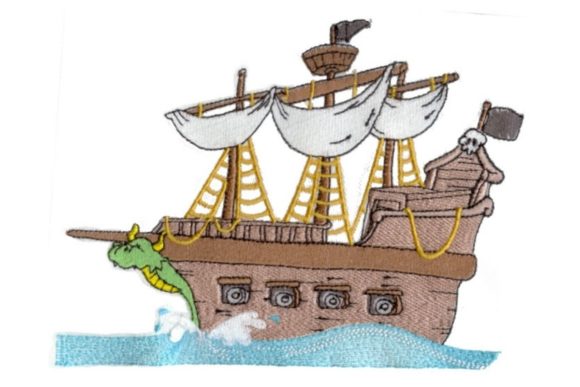
From a business perspective, the right embroidery design does more than just look pretty—it builds trust and sets your shop apart. Polly brings a specific, recognizable theme that can anchor a collection. If you’re an Etsy seller specializing in children’s personalized items, adding a pirate parrot to your lineup alongside a treasure chest and a ship gives buyers a reason to browse your whole shop. It’s not just a single product; it’s a category that encourages multiple purchases.
I also think about the perceived value of the finished item. A tote bag with a generic starfish feels like a souvenir. A tote bag with a thoughtfully stitched, vibrant parrot named Polly feels like a thoughtful gift. The fact that the artwork is from Mooseb adds a layer of exclusivity—customers can’t find this exact design on every other craft stall. That’s a quiet but powerful selling point when you’re pricing your work for a premium market.
Practical Designer Notes Before You Sell
I always keep a checklist for any new embroidery file, and Polly is no different. Here’s what I’d recommend before using it in a project you plan to sell or gift:
- Stitch a sample on scrap fabric first. Don’t trust the thumbnail. Run a test to see how the thread colors interact with your chosen fabric and to check for any tension issues.
- Review thread color contrast. The parrot’s bright plumage might need a slightly darker green or a lighter yellow depending on the background. Swap colors if needed, but keep the overall pirate vibe.
- Check the hoop size you’re using. If the design is meant for a 5x7 hoop, don’t force it into a 4x4. Confirm the dimensions before you commit to a product lineup.
- Inspect the fine details. Look at the eye, the bandana stripes, and the outline of the beak. If any stitches are too dense, you might need to adjust your machine’s speed rather than the file itself.
- Test a black-and-white printout. This helps you see if the design will read well on a product listing photo that’s not perfectly color-balanced.
- Think about washing and wear. A patch might need a heat seal backing, and a baby onesie will go through dozens of wash cycles. Use a quality stabilizer and thread that won’t fade or shrink.
- Confirm commercial licensing. The description notes exclusive artwork from Mooseb, but always check the specific terms of use for the embroidery file. Some designs are licensed for personal use only, while others allow you to sell finished items. Verify before you list anything in your shop.
Final Stitch-Out Thoughts
After working with Polly in a few test scenarios—a simple cotton tote, a pre-washed crewneck sweatshirt, and a patch on black felt—I’m genuinely pleased with how the design holds up. The personality is there, the stitch definition is clean, and the pirate theme feels fresh without being gimmicky. It’s the kind of design that can carry a whole product line or serve as a charming accent piece. Whether you’re prepping for a summer craft fair, filling a custom order for a birthday boy, or just adding some playfulness to your personal embroidery projects, Polly is a solid choice. Just remember to test, adjust, and always keep your customer’s experience in mind. That’s what turns a good stitch-out into a product people actually buy.