Reviewing 20 Intermediate Embroidery Stitches
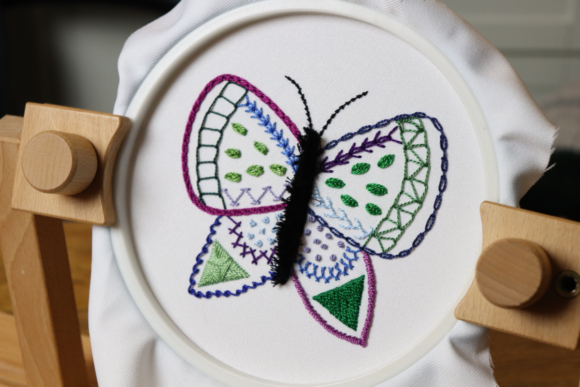
When a customer reaches out for a custom embroidered baby blanket or a set of personalized wedding towels, the first question I ask myself is never about the thread colors or the fabric type. It is always about the stitches. The right stitch can turn a simple name into a keepsake, and the wrong one can make even the prettiest design feel flat. That is exactly why I was so curious to explore 20 Intermediate Embroidery Stitches on Creative Fabrica. This class, led by instructor Charlie, promised to walk through twenty intermediate level stitches, including the cable chain stitch and the Hungarian stitch, and I wanted to see how these techniques could elevate the handmade gifts and personalized products I create every day.
After spending time with the class, stitching sample after sample on scrap fabric, I can honestly say it has shifted how I think about texture and detail in my embroidery work. The emotional appeal of these stitches is immediate. There is something deeply romantic and cozy about a well-executed cable chain stitch running along the hem of a linen pillow cover. The Hungarian stitch, with its dense, woven appearance, feels elegant and classic, the kind of detail that makes a wedding gift feel intentional and luxurious. If you sell on Etsy, run a small shop, or create custom gift boxes for craft fairs, this class offers a wealth of decorative possibilities.
First Impressions of the Class
From the very first lesson, the class struck me as warm and approachable, not intimidating. Charlie explains each stitch with a calm, methodical pace that makes even the more intricate patterns feel achievable. The visual softness of the stitched samples is remarkable. None of the stitches look stiff or overly dense. They have a handmade charm that is exactly what buyers of personalized embroidery are looking for, whether it is a nursery item, a holiday keepsake, or a custom tote bag. The class leans into a style that is both playful and classic, giving you the tools to create pieces that feel seasonal and timeless at the same time.
What I appreciated most was how the class highlights the decorative value of each stitch. These are not just utilitarian techniques. They are design elements in their own right. A row of Hungarian stitch on a baby embroidery piece adds a level of detail that photographs beautifully, which is a huge advantage for product photography and Etsy listings. When a stitch catches the light just right, it communicates quality and care before a buyer even reads the description.
Using These Stitches for Handmade Gifts
If you are a crafter who makes personalized gifts, you know that the smallest details carry the most emotional weight. I tested several stitches from this class on a variety of projects to see how they would perform in real gift scenarios. Here is what I found.
Baby Embroidery and Nursery Decor
For baby blankets, onesies, and nursery decor, softness is everything. The cable chain stitch, when worked with a gentle hand, creates a raised, braided line that feels tactile without being rough against delicate skin. I stitched a baby name onto a cotton blanket using this stitch, and the result was sweet and modern. The key is to avoid pulling the thread too tightly, which can pucker the fabric. On stretchy baby clothes, a quality stabilizer is absolutely essential to keep the stitches from distorting. The class does not cover machine embroidery file specifics, so if you plan to digitize these stitches, you will need to test stitch density and thread colors carefully on similar fabric first.
Wedding Gifts and Keepsakes
Wedding towels, ring bearer pillows, and embroidered handkerchiefs are where these intermediate stitches truly shine. The Hungarian stitch, with its dense, almost tapestry-like texture, looks stunning on linen and cotton. I embroidered a pair of initials on a guest towel using this stitch, and the result was elegant and elevated. The stitch density is high, so it holds up well to washing, but you must check how the thread colors interact with dark fabric. A light thread on a dark towel can look striking, but any small gaps in the stitching will be more visible. I always recommend creating a test stitch-out before committing to the final piece.
Family Keepsakes and Personalized Home Decor
For family pillows, aprons, and custom home decor, the stitches in this class offer a way to add texture that feels heirloom quality. I used a combination of stitches on a linen pillow cover, placing the cable chain stitch along the border and the Hungarian stitch inside a monogram. The layered effect was stunning. When you are selling finished products, this kind of detail builds customer trust. It tells the buyer that you invested time and skill into their order. The perceived quality of a handmade product increases dramatically when the stitching looks intentional and well-executed.
Tote Bags, Aprons, and Craft Fair Products
At craft fairs, texture sells. Shoppers run their fingers over embroidered tote bags and aprons, and a stitch that feels good to the touch can close a sale. The stitches taught in this class have a wonderful tactile quality. I tested a few on a canvas tote bag and found that the cable chain stitch held up well even on textured fabric. The key was using a stabilizer appropriate for the fabric weight. On thick blankets or heavily textured towels, you may need to adjust your approach, but the visual impact is worth the extra effort.
Practical Concerns for Sellers
Anytime you are creating embroidery for sale, whether it is a custom baby blanket, an embroidered towel set, or a printable mockup for a digital product listing, you have to think beyond the stitch itself. Here are some practical considerations that came up while I worked through this class.
Small lettering and delicate shapes can be challenging with dense stitches. The Hungarian stitch, for example, is beautiful but takes up more space than a simple backstitch. If you are embroidering a long name or a detailed monogram, plan your layout carefully. Test the stitch on a similar fabric scrap to make sure the proportions work.
Thread color contrast is another factor. A stitch that looks intricate and airy in a light thread on light fabric may become heavy and overwhelming in a dark thread on light fabric. I always compare thread colors in natural daylight before starting a final piece. Small details can get lost if the contrast is too high or too low.
Washing durability is a concern for any item that will be used and laundered, like baby clothes, kitchen towels, or aprons. The stitches in this class, when worked with quality thread and proper tension, are quite durable. However, I always recommend hand washing or using a gentle cycle for embroidered items. If you sell finished products, include a care card with your orders. It shows professionalism and helps buyers preserve the handmade quality they paid for.
Stabilizer choice cannot be overlooked. For stretchy fabrics like baby onesies, a cut-away stabilizer provides lasting support. For woven fabrics like linen towels, a tear-away stabilizer works well. The class focuses on hand embroidery techniques, so you will need to adapt these stitches to your chosen fabric and stabilizer combination. If you plan to digitize any of these stitches for machine embroidery, review the stitch density and test thoroughly before offering the finished product in your shop.
How These Stitches Elevate Your Brand
As an embroidery designer, I think a lot about how a finished piece makes the buyer feel. The stitches you choose are a direct reflection of your brand. When a customer opens a gift box and sees a beautifully embroidered towel with a Hungarian stitch monogram, they feel the emotional value immediately. They are more likely to take a photo, share it on social media, and return to your shop for future purchases. That kind of buyer engagement is priceless.
These stitches also photograph beautifully. The texture creates natural shadows and highlights that make product photos look rich and dimensional. If you use printable mockups for your Etsy listings, you can still convey that texture through thoughtful staging and close-up shots. The perceived quality of your work increases when potential buyers can see the detail up close.
Practical Embroidery Notes
Before you dive into using these stitches on a paid order, here are a few practical notes based on my experience with the class and with years of embroidery work.
- Create a test stitch-out on the same fabric you plan to use for the final product. This helps you check tension, thread color, and stitch appearance.
- Check small details after stitching to make sure nothing has pulled or shifted. Delicate shapes can distort if the fabric is not properly stabilized.
- Compare thread colors in natural light and under indoor lighting. Colors can shift dramatically, and you want the finished piece to look beautiful in any setting.
- Test on similar fabric before starting the final project. A stitch that looks perfect on cotton may behave differently on linen or canvas.
- Confirm hoop size if you are using a hoop for hand embroidery. Make sure the design fits comfortably within the hoop without requiring repositioning.
- Review stitch density if you plan to digitize any of these stitches. Dense stitches can cause puckering on lightweight fabrics.
- Use proper stabilizer for the fabric type. This is especially important for stretchy or textured materials.
- Check product details and licensing on Creative Fabrica before selling finished products. Even though this is a class, you should review the class description and any associated usage terms to make sure you are compliant.
Is This Class Right for You?
If you are a Creative Fabrica embroidery enthusiast who wants to expand your stitch repertoire, this class is a wonderful investment. It is especially valuable for handmade gift sellers, wedding gift creators, baby product makers, and small business owners who want to offer something more than basic embroidery. The stitches are intermediate, so you should already be comfortable with foundational techniques, but the instruction is clear enough that a motivated beginner could follow along with practice.
For Etsy sellers and craft fair vendors, the ability to offer a variety of decorative stitches sets your products apart. A customer shopping for a personalized gift is drawn to pieces that feel special and unique. The cable chain stitch and Hungarian stitch, along with the other eighteen stitches covered in the class, give you a vocabulary of texture that you can use to create one-of-a-kind items. Whether you are stitching a baby blanket, a wedding towel, a family pillow, or a holiday keepsake, these techniques will serve you well.
Just remember that this is a class, not a digital embroidery file. You will not receive a downloadable design to load into your machine. Instead, you will gain hands-on knowledge that you can apply to your own projects. Before you start selling finished products, take the time to practice, test your materials, and review all the class details on Creative Fabrica. The more you stitch, the more confident you will become, and that confidence will show in every piece you create. Your customers will feel it, and they will keep coming back for more.