Reviewing Abstract Mini Moss Embroidery and Beading
First Impressions: A Touch of Organic Modern Art
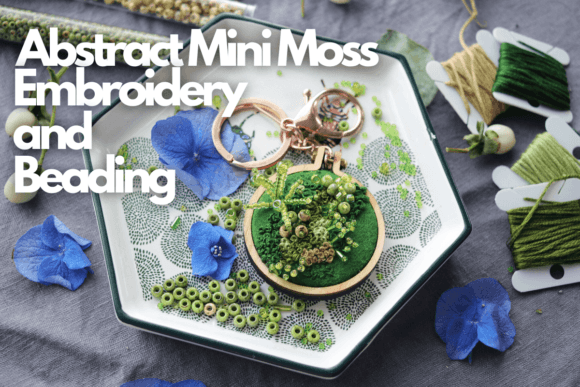
When I first explored the Abstract Mini Moss Embroidery and Beading class, I immediately felt a sense of calm. There is something deeply soothing about the tiny loops of thread and the subtle sparkle of beads that mimic real moss growing on a forest floor. Julia Shore, a modern embroidery artist from California, has bottled that quiet woodland magic and turned it into a teachable technique. As a designer who creates personalized gift products daily, I am always looking for styles that feel both handmade and sophisticated. This class delivers exactly that.
The mood of the finished pieces leans toward organic, minimalist, and quietly elegant. It is not loud or overly playful. Instead, it carries a gentle, earthy charm that would appeal to someone who loves nature-inspired decor, botanical themes, or sensory-rich textures. The addition of beading elevates the work beyond simple thread painting. It catches light in a way that photographs beautifully and gives the finished product a subtle luxury feel. For a small shop product or a custom order, that kind of detail matters immensely.
From the very first exercise, I could see how this abstract moss art would translate into a finished product that feels personal and intentional. It does not scream mass production. It whispers care, patience, and artistry. That is exactly the vibe I want when a customer opens a package containing an embroidered towel, a pillow cover, or a nursery keepsake.
What Kind of Products Benefit Most From This Technique
After practicing the stitching and beading methods taught in the class, I started mentally slotting them into my product lineup. The organic, freeform nature of moss embroidery means it adapts surprisingly well to a wide range of personalized gift items. Here are the categories where I believe it would genuinely shine.
Baby Embroidery and Nursery Decor
Soft, textured moss stitches in gentle sage greens, creamy whites, or dusty lavenders are a natural fit for baby embroidery. I can see a cluster of mossy tufts framing a tiny monogram on a blanket embroidery project or accenting the corner of a crib sheet. Parents love gifts that feel safe, natural, and handmade. The beaded elements would need to be placed thoughtfully on baby items, perhaps reserved for decorative wall pieces rather than sleep surfaces, but the thread-only moss sections are perfect for nursery decor.
Wedding and Family Keepsakes
For wedding gift buyers, abstract moss art carries a beautiful symbolism. Moss represents growth, resilience, and quiet beauty. A ring bearer pillow with a delicate moss and bead cluster, or a framed embroidered wedding date surrounded by tiny green tufts, would feel deeply romantic and modern. I have already sketched out a few ideas for anniversary gifts using this technique. The custom embroidery possibilities are endless when you combine the moss texture with initials, dates, or short meaningful phrases.
Kitchen and Home Textiles
An embroidered towel with a small moss motif tucked into one corner feels fresh and understated. The same goes for apron pockets, linen napkin sets, and pillow cover corners. The key is restraint. A little moss goes a long way. I found that a single well-placed cluster often looks more elegant than covering an entire surface. For Etsy seller shops and craft fair vendors, these home goods become easy upsells during holiday seasons.
Personalized Tote Bags and Wearable Accessories
Canvas tote bags with a small mossy patch near the handle or alongside embroidered lettering have a very organic, artisan feel. The beading adds just enough weight and texture to make the bag feel substantial. I would also consider using this technique on denim jackets, linen shirts, or fabric brooches. The key is choosing a stable, non-stretchy fabric that can support the beadwork without sagging over time.
Where to Use Extra Care and Attention
Not every product is a good candidate for abstract moss embroidery and beading. As a designer who tests everything before listing it in a shop, I have learned to be realistic about durability and practicality. Here are the areas where I would pause and run a few extra tests before committing to a customer order.
Small lettering paired with moss textures can get visually muddy. The moss is abstract and dimensional by nature, so if you place it too close to tiny text, the letters may become hard to read. I recommend giving lettering plenty of breathing room or using a simpler stitch style for the text itself.
Delicate details like thin outlines or fine script fonts may get lost against the textured moss. The beading especially demands attention, so the overall composition needs balance. I test each layout on scrap fabric before stitching the final piece.
Textured fabric such as thick terrycloth towels, waffle weaves, or loosely woven linen can be tricky. The beads may not sit evenly, and the moss stitches can sink into the fabric nap. A smooth, medium-weight cotton or linen-cotton blend works best for this technique. I learned this the hard way on a test towel and had to adjust my expectations.
Thick towels and stretchy baby clothes require extra stabilizer and careful hooping. The beadwork adds weight, and on a stretchy knit, that weight can cause the fabric to sag over time. I would reserve the full beaded moss technique for woven fabrics and use a simplified thread-only version on knits.
Curved surfaces like the toe of a slipper or the edge of a stuffed toy can be challenging because the beads need to lie flat. I prefer flat or gently curved surfaces for this technique so the finished piece looks intentional and polished.
Dark fabric can be a beautiful backdrop for moss embroidery, but thread color contrast becomes critical. Light moss greens that pop on cream fabric may disappear on charcoal or navy. I always test thread colors on a small swatch of the exact fabric before starting the full design.
Lastly, products that need frequent washing require thoughtful bead attachment. Each bead should be secured with multiple passes of thread, and I recommend hand washing or a gentle cycle in a mesh bag. I include a care card with every beaded item I sell, and it has saved me from many customer service headaches.
How This Technique Elevates Giftability and Perceived Value
One of the most important lessons I have learned as a small shop product designer is that perceived value matters just as much as actual cost. When a customer picks up an item with abstract moss embroidery and beading, they immediately feel the difference. The texture invites touch. The beads catch the light. The overall effect is unmistakably handmade in the best possible way.
This technique creates an emotional connection that is hard to achieve with a flat printed design. A personalized gift that includes moss embroidery feels like a tiny secret garden held in the hands. It transforms a simple pillow cover into a keepsake and a plain tote bag into a wearable piece of art.
For Etsy seller shops and craft fair booths, products featuring this technique photograph exceptionally well. The dimensional texture creates natural shadows, and the beading adds points of sparkle that draw the eye in product photos. I have noticed that my product photography with beaded items consistently gets higher engagement on social media and in my shop listings.
Buyer engagement also increases when customers can customize the moss colors to match their own decor or wedding palette. I offer a few standard colorways inspired by Julia's class, plus a custom option for a small upcharge. Customers love feeling involved in the creative process, and it builds customer trust before they even receive the finished item.
The handmade quality of moss embroidery signals to buyers that they are purchasing something special. It is not a generic machine embroidery design that anyone can buy and stitch out in minutes. It is a skill that requires practice, patience, and an artistic eye. That scarcity of craft adds genuine value.
Practical Stitching Notes for Shop Owners
Before you add moss embroidery and beading to your product lineup, there are a few practical steps I highly recommend taking. These are the things I do before every new product launch, and they have saved me from wasted materials and disappointed customers.
Test on scrap fabric first. Always. I keep a stack of fabric swatches in the materials I use most often, including cotton, linen, canvas, and a lightweight denim. I run a full moss motif on each one, including beads, and then wash it according to the care instructions I plan to give customers. This tells me everything I need to know about durability and colorfastness.
Check thread color contrast under different lighting conditions. What looks crisp and clear under my studio lights may fade into the background in a dimly lit living room. I check my test pieces in natural daylight, warm indoor light, and even under the harsh fluorescent lights of a craft fair venue.
Confirm hoop size before you start. Moss motifs can grow organically as you stitch, and I have accidentally run out of space more than once. The class teaches you how to keep the design contained, but it is still wise to choose a hoop that gives you at least an inch of breathing room around the intended finished size.
Review stitch density carefully. Moss embroidery is meant to be dimensional, but too much density can make the fabric pucker or feel stiff. Too little density, and the beads may not anchor securely. I aim for a balanced texture that feels soft to the touch but holds its shape.
Use proper stabilizer for the fabric type. Woven cotton and linen do well with a medium-weight cutaway stabilizer. For towels, I add a water-soluble topper to keep the stitches from sinking into the pile. For anything with stretch, a firm stabilizer is non-negotiable.
Compare light and dark fabric mockups before offering color options. A moss design that looks lush and vibrant on cream fabric may need a different thread palette on black or navy. I create a few digital mockups first, then stitch physical samples of the top-selling combinations.
Check small details after stitching and before packaging. Loose beads, trailing threads, and uneven moss tufts are easy to fix at this stage. I keep a magnifying glass on my finishing table and inspect every piece under good light.
Confirm commercial licensing before selling finished products. The class teaches you a technique, and you are creating your own original designs using that technique. However, it is always wise to review the class terms and understand what is allowed for commercial use. If you plan to sell items featuring moss embroidery, make sure you are operating within the guidelines Julia Shore has set for her students.
Who This Class Is For and Is It Worth the Investment
I believe this class is best suited for embroidery makers who already have basic stitching skills and want to add a unique, high-value technique to their repertoire. It is also a wonderful fit for gift shop owners who want to offer something that cannot be easily replicated by mass production brands. If you sell handmade product lines at craft fairs, on Etsy, or through your own website, the abstract moss style can become a signature element that sets your work apart.
For wedding gift designers and baby product creators, the emotional appeal of moss and beadwork is a genuine selling point. It feels timeless, natural, and deeply personal. The techniques taught in the class translate beautifully into small, cherished items that command higher price points.
If you are entirely new to embroidery, you may find the beading portion a bit challenging at first. But the class is structured to guide you through the process step by step. I would recommend practicing on a few simple projects before moving to customer orders.
Overall, the Abstract Mini Moss Embroidery and Beading class has earned a permanent spot in my creative toolkit. The pieces I have made using this technique consistently draw compliments and repeat customers. In a market flooded with quick-turn digital embroidery file downloads and mass-produced goods, offering something that takes time, skill, and genuine artistry is a smart business move. My customers feel that difference, and I believe yours will too.